
Did you know that you can close a loan even on the day the contract is signed? Yes — the right to early repayment is guaranteed by law. Essentially, the borrower pays the remaining principal, and the bank must recalculate the interest. But there are nuances — and it’s worth knowing about them in advance.

Instant snapshot: what happens with early repayment
In short. You submit a request, receive a recalculation, make the payment — and receive a closure certificate. According to the legal norms on consumer lending, the financial institution is obliged to remove accrued interest for future periods. If there are fines or penalties — they are added to the amount. Interestingly, sometimes the actual savings exceed expectations — sometimes by 30–70% in the form of saved interest (depending on the calculation scheme).
Who can exercise the right and when?
Anyone — regardless of the debt status. You can close the loan in full or partially. The procedure is simple: form/application, manager’s calculation, final payment. Online — also works. According to our observations, 60–80% of banks now have an electronic option in the personal account (as of 2023–2024).
How interest is calculated: three main schemes
The scheme determines how much you will save. Explained simply:
- Annuity — equal monthly payments; the share of interest decreases over time (annuity — fixed payment); with early repayment, savings are moderate;
- Differentiated — you pay less interest each month because part of the principal decreases; here, the benefit from early closure is greatest;
- Bullet — the principal is repaid at the end of the term; at the beginning — almost only interest; with early closure, savings are minimal because most of the interest has already been accrued.
This is financial mathematics, the time value of money methodology. It may be complex, but this is where it follows: not all loans are the same.

Is it always worth closing a loan early?
From a financial standpoint — usually yes. You reduce overpayment, lower the burden, and sleep more peacefully. Essentially, this is saving money and time. But: there are counterintuitive cases. For example, if you have a very profitable deposit or investment with a higher rate, it may make sense to postpone closure. Also, banks sometimes view frequent early repayments as a sign of instability — this can complicate obtaining a new loan in the short term. Is this important to you? Ask yourself: what is more valuable — savings on interest or the ability to quickly obtain financing again?
Micro-cases
Case 1. Olena closed her auto loan 12 months early and saved about 25% of the expected interest — with a differentiated scheme. Case 2. Ihor refinanced a consumer loan in 2022: transferred the balance at a 3% lower rate, but lost the ability to quickly get a credit card due to the bank’s internal scoring. Each case is unique — look at the numbers.
Legal and procedural details
Action algorithm. Briefly and with the explanation “why”: 1) Submit an application (everything is formalized — to avoid “surprises” later). 2) Obtain a written calculation (why: to know the final amount and avoid accounting errors). 3) Transfer funds to the specified account. 4) Receive a certificate of no debt and, if there was collateral (mortgage or pledge), visit a notary to remove the encumbrance. This is a standard procedure that banks are obliged to perform; additional documents are usually not required.
Terms and limitations
Previously, banks imposed a moratorium of 3–6 months. Now, the law allows closing a loan at any time — even immediately after signing the contract. However, the contract may contain provisions on fines or commissions — they can be challenged in court if they are illegal. According to our observations, complaints about unfair wording occur mainly in 2020–2024.
Practical instructions: how to minimize risks and maximize benefits
Step 1. Check the type of payment schedule. Why is it important? Because your savings depend on it. Step 2. Request a detailed calculation “as of the repayment date” in writing. Why? To avoid ambiguities in accounting. Step 3. Find out about the presence of fines or commissions — and send a copy of the application to the bank’s email (to have the receipt date). Step 4. After payment, request a closure certificate and keep it in two copies. Step 5. If there is collateral — plan a visit to the notary to remove the encumbrance. Each step reduces operational risks and provides legal protection.
Alternatives: refinancing and microloans
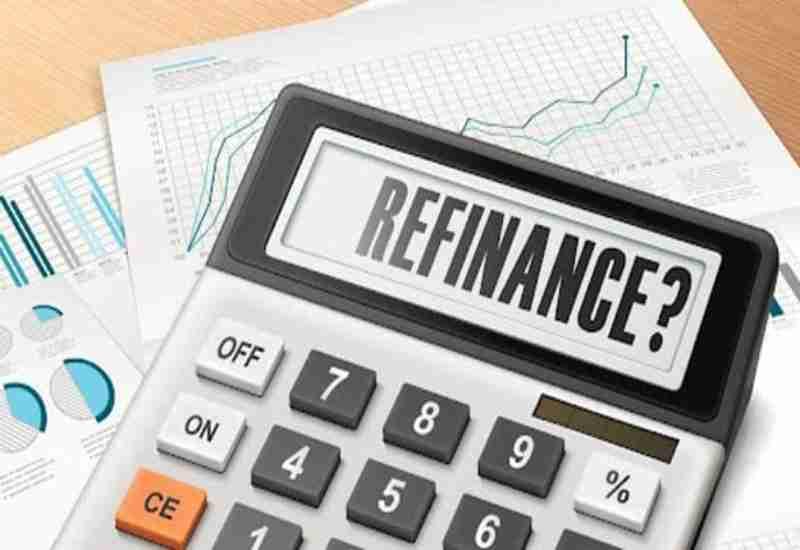
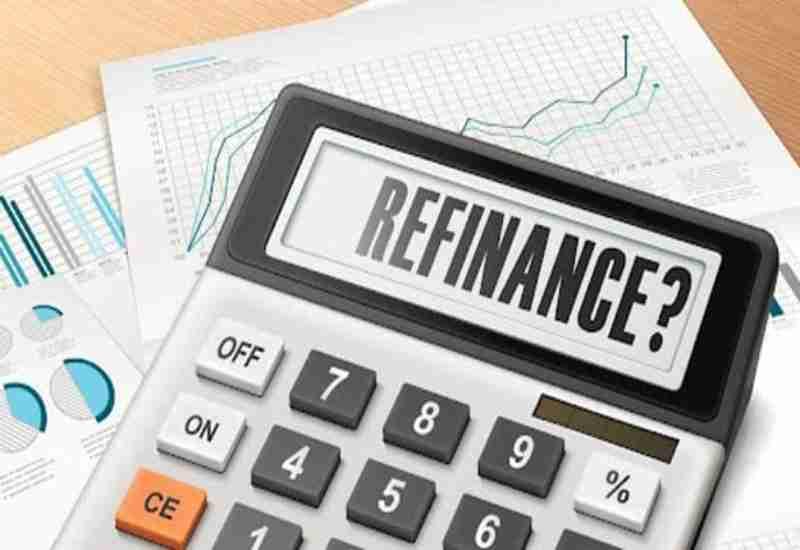
If you lack funds — consider refinancing or a short-term microloan. Refinancing is transferring the debt at a lower rate or under other terms (useful when the rate difference exceeds 2–3 percentage points). Microfinance organizations can provide funds quickly, but the rate may be higher — compare the total overpayment for the entire term.
In conclusion. Perhaps you are already ready to act. Is it worth hurrying? Probably — if you have high interest or reducing the burden will give financial freedom. If you plan to take a new loan soon — check the internal scoring of banks. In general: weigh the numbers, protect yourself with documents, and act purposefully.

