
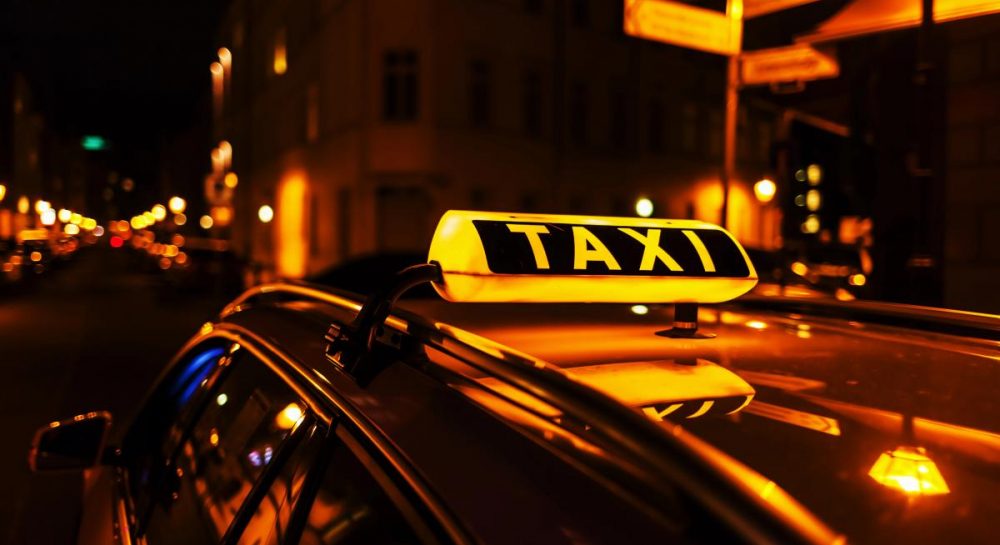
Kyiv will introduce taxi fare regulation during air raids and transport crises to protect residents from excessive price hikes, Prime Minister Serhii Koretsky announced in his Telegram channel.
According to the head of government, the Ministry of Infrastructure and the Ministry of Economy signed a memorandum with the largest digital taxi platforms — Bolt, Uklon, Uber, and OPTI. The document aims to prevent excessive tariff increases during emergencies in Kyiv: for example, during air raids, suspension of public transport (including the metro), or other unforeseen factors that significantly affect the city’s logistics. Koretsky cited the attack on the Pivdennyi Bridge that occurred today as an example of rule violations.
The memorandum clearly defines the maximum limit for fare increases: the maximum increase will not exceed 75% of the base fare. This means that if a regular trip costs, for example, 200 UAH, the maximum price during a crisis period will not exceed 350 UAH. Similarly, for a 300 UAH fare, the limit will be 525 UAH.
The Prime Minister emphasized that passengers will retain the ability to adjust the price themselves, but restrictions on maximum tariffs will be strictly enforced. These rules will apply for at least two hours after the red alert is lifted or until full restoration of public transport services and bridge access. This is the time when demand for taxis is highest, and it is extremely important for people to return home safely.
Koretsky also stated that the government will strengthen control over compliance with the established fare restrictions.
Bolt representatives noted that during prolonged air raids, demand for taxi services in Kyiv increases by an average of 30–50%. Particularly significant growth (over 100%) is observed in areas with heavy passenger traffic — especially near the railway station, large business centers, and residential districts. At the same time, some drivers temporarily stop working due to safety risks or navigation difficulties, leading to an imbalance between supply and demand, and consequently affecting trip prices.
Recall that on October 27, the closure of the Pivdennyi Bridge over the Dnipro caused massive traffic jams in the capital. A particularly difficult situation arose on the left bank — traffic jams stretched from the Kharkivskyi district. Traffic issues were also observed on Kharkivske Shose and the Darnytskyi Bridge.
Due to complications in the city’s transport network, taxi prices rose to 1,000 UAH for trips between the banks.
The Kyiv Patrol Police organized detour routes for drivers following the closure of the Pivdennyi Bridge after a nighttime missile attack.
In addition, given changes in metro operations, ground public transport has been strengthened. In particular, temporary bus route No. 1-M is now operating with 15 vehicles to reduce the load on the red metro line.
This is reported by Channel 8.

