
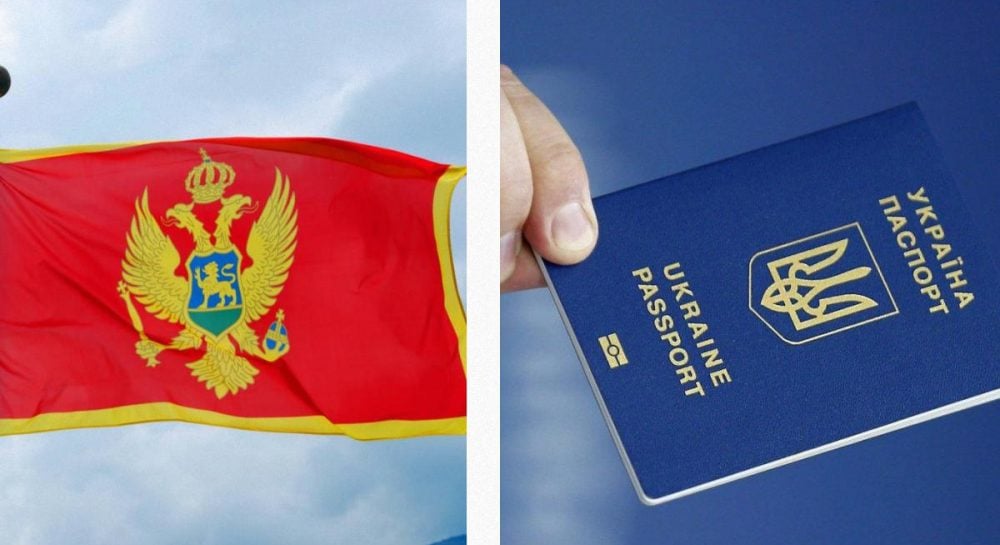
The Government of Montenegro has established new conditions for granting temporary protection to Ukrainian men liable for military service. Now, only those who resided in Ukraine at the time of arrival and fulfilled their military duty or were officially exempted from it will be eligible for such protection. This is reported on the official government web portal of Montenegro.
It is important to note that these changes will not affect Ukrainians who have already received temporary protection in Montenegro. The Government emphasizes: “The restrictions do not apply to those who previously exercised the right to temporary protection in the country.”
In addition, Montenegro emphasized that today’s rules comply with the provisions of the Council of the European Union Decision No. 2026/1912 of 30 July 2026, which extends the period of temporary protection for Ukrainians until 4 March 2028.
The innovations in Montenegro directly affect Ukrainian citizens subject to mobilization who are in or plan to stay abroad. Such steps are linked to current problems with the staffing of the Ukrainian army.
It should be noted that similar changes also apply to other European countries. In particular, the Danish parliament recently revised the rules for the stay of Ukrainian men aged 23 to 60 who are subject to mobilization in Ukraine. The changes were made to a special law adopted after the start of the full-scale Russian invasion in 2022. Danish Minister of Immigration and Integration Morten Bødskov stressed: these measures are not intended to facilitate evasion of service in the Ukrainian army. The persons in question either have or once had a residence permit in Denmark and are officially registered as residents of the country.
In addition, it is worth noting that although temporary protection for Ukrainians in the EU has been approved until 2028, certain violations may deprive Ukrainian citizens of the right to stay. According to the EU Council decision, grounds for losing this status may include violations of border crossing rules, non-compliance with legislation, or the use of forged documents. At the same time, deportation does not necessarily mean returning directly to Ukraine—citizens may be sent to third countries or transit hubs in accordance with general procedures.

