
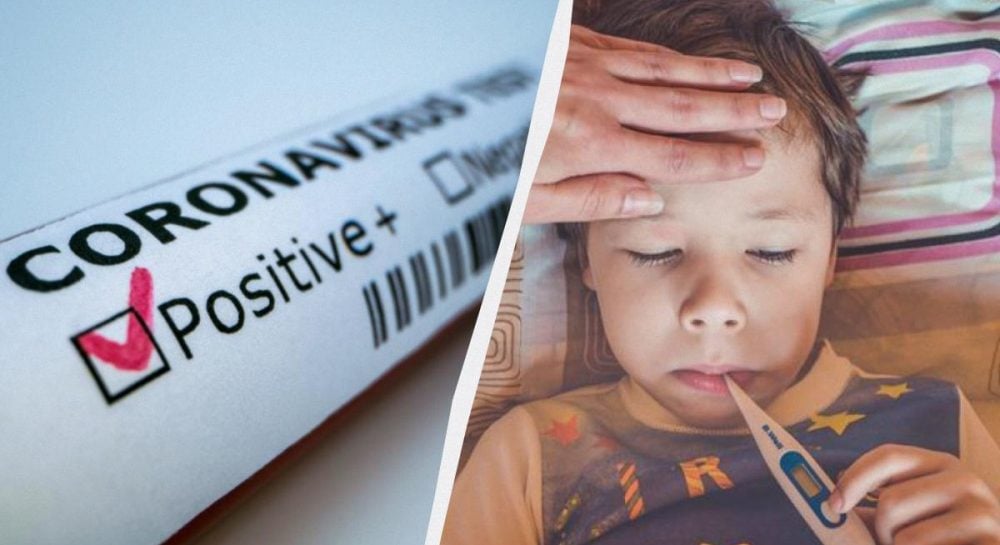
Coronavirus in children can cause serious long-term health damage. This conclusion was reached by scientists from the Perelman School of Medicine at the University of Pennsylvania, as reported by Medical Xpress.
“While public attention is focused on the acute phase of COVID-19, our findings indicate that children face significant long-term health risks that need to be monitored,” noted the study’s senior author, Professor of Biostatistics and Epidemiology Yong Chen.
The study, published in JAMA Network Open, examined electronic medical records of 1,900,146 people under 21 years of age. Scientists compared kidney treatment outcomes in the post-acute phase of those who tested positive for COVID-19 with results from people with negative tests between 2020 and 2023.
It was found that children who had recovered had a 17% higher risk of developing stage two chronic kidney disease, mild degree. Additionally, they had a 35% higher risk of stage three chronic kidney disease – moderate severity.
Children and adolescents whose kidneys were damaged during the acute stage of coronavirus had a 29% higher risk of developing additional complications for these organs from three to six months after infection.
In another study, published in JAMA Network Open, gastrointestinal problems such as abdominal pain, diarrhea, and irritable bowel syndrome were examined among 1,576,933 children and adolescents.
Children who had recovered from coronavirus had a 25% higher risk of gastrointestinal disorders in the post-acute period. The risk of the “chronic phase” increased to 28% in the period from six months to two years after COVID-19 infection.
Children infected with coronavirus have a significantly higher risk of developing one or more cardiovascular diseases, such as arrhythmia, heart inflammation, chest pain, and hypertension.
Researchers concluded that the risk increased by 63% in both children with congenital heart defects and those without such a condition.
As UNIAN reported, in December 2024, the US Congress released the final report on the COVID-19 pandemic and its consequences. According to the conclusion, the virus most likely originated in a laboratory in Wuhan, China.
The report criticized the World Health Organization, accusing it of prioritizing the political interests of the Chinese Communist Party over helping people. Congress also criticized requirements for social distancing and mask wearing.
Later, the new CIA director commented on the origin of the virus. John Ratcliffe in his report favored the theory of an accidental leak from a research laboratory in the Chinese city of Wuhan.

