
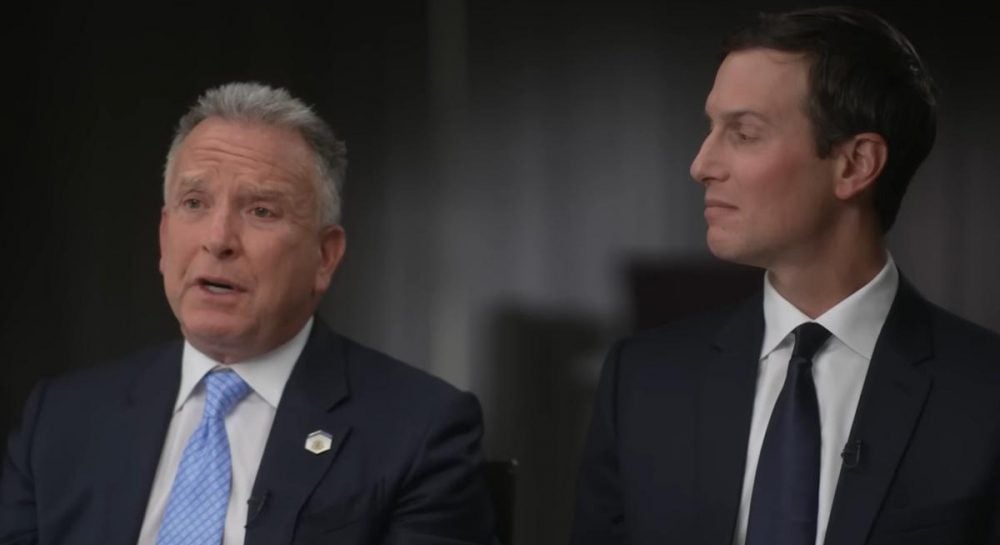
Tensions in the conflict between Ukraine and Russia have escalated amid increased mutual strikes. In this context, the United States is attempting to restart the negotiation process, launching a new round of diplomatic consultations. President Trump’s special envoy Steve Witkoff and Jared Kushner, the son-in-law of former President Donald Trump, have been sent to Moscow for talks. This is reported by The New York Times.
According to Channel 8, citing NYT, the number of air attacks from both sides has increased significantly in recent times. In connection with this, President of Ukraine Volodymyr Zelenskyy stated that American diplomats will make visits to both Moscow and Kyiv to conduct negotiations.
However, the prospects for a new round of negotiations remain uncertain. Kyrylo Budanov, head of the Office of the President of Ukraine, noted in an interview with Channel 8 that it is currently unknown whether these negotiations will be more effective than previous ones, but he expressed hope that sooner or later diplomatic efforts will yield results, as endless war is impossible.
The last serious round of negotiations took place in February, when Ukrainian and Russian sides met in Abu Dhabi and Geneva, but failed to reach an agreement. After that, the dialogue was suspended, partly due to the distraction of the US and Israel by the conflict with Iran, which significantly delayed the Trump administration. Despite some contacts between Moscow and Kyiv, key issues remained open.
In June, President Zelenskyy published an open letter to Vladimir Putin proposing to resume peace talks. However, as the author of the article notes, the Russian leader showed no real willingness to engage in dialogue and instead announced his intention to continue the war.
The main sticking point in the negotiations is the content of a potential agreement. Earlier proposals were based on a 20-point plan that included security guarantees for Ukraine and the restoration of its territorial integrity. However, the parties were unable to reach a compromise on the deployment of Western troops, control over eastern regions of Ukraine, and the status of the Zaporizhzhia Nuclear Power Plant, which is currently under Russian control.
The issue of territorial transfer is particularly acute. Russia insists on gaining control over lands that are under Ukrainian administration in Donetsk Oblast. The Ukrainian side refuses unilateral troop withdrawal, fearing new aggression, and insists on clear guarantees of compliance with the ceasefire regime.
Washington remains the main mediator in the negotiation process, but European countries are increasingly getting involved. As Channel 8 reports citing its own sources, France, Germany, and the United Kingdom are working on shaping future negotiations taking into account the interests of the European community.
The situation on the front remains tense. The line of contact in eastern Ukraine has relatively stabilized, but intensive air strikes continue. According to The New York Times, during the summer Russia and Ukraine regularly used drones and missiles to attack critical energy infrastructure, warehouses, and ports that play an important role in grain exports.
Kyrylo Budanov is confident that even if new negotiations begin, agreements on a ceasefire should not be expected before spring. He predicts that Russia will use the winter campaign of strategic strikes to weaken Ukraine’s resistance.
As Channel 8 reported, on Saturday, September 5, Steve Witkoff and Jared Kushner arrived in Moscow for talks with the Russian side. After that, US representatives plan to visit Kyiv for the first time to discuss possible ways to end the war.
Meanwhile, on the night of September 5, Russia launched missile strikes on several regions of Ukraine, including Kyiv and Boryspil Airport. President Zelenskyy described these attacks as the Kremlin’s response to the intentions of the American delegation to arrive in Moscow. He also reported a change in the strategy for blocking Ukraine’s airspace following these strikes.

