
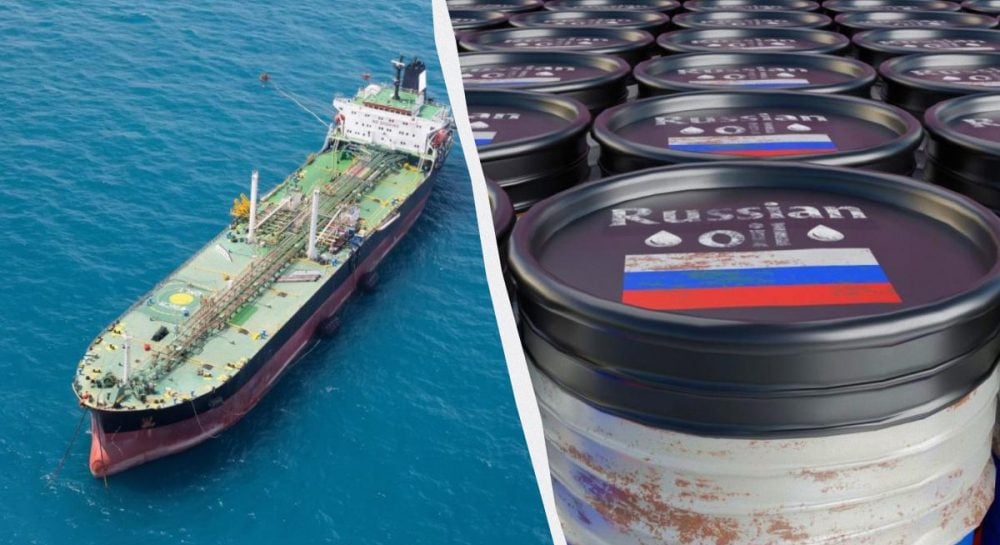
Indian refineries have significantly reduced purchases of Russian oil in November due to the resumption of supplies from the Middle East, Bloomberg reports, citing data from Kpler.
According to Kpler analytics, the share of Russian oil in India’s total imports fell to approximately 35% in September, while in July this figure peaked at 56%. The average volume of deliveries over the last four weeks ending October 4 was only 310,000 barrels per day—the lowest level since March 2022.
Bloomberg sources report that the main reason for the decline in purchases was a sharp change in prices for Russian Urals crude loaded in the Baltic Sea—the key grade for Indian refineries. Economic factors outweigh even U.S. pressure on India to limit imports of Russian crude, which remains the country’s most important supplier.
Today, Russian oil is trading at a premium of more than $10 per barrel relative to the international Dated Brent index. Previously, these volumes of crude were sold at large discounts, but now its value has almost equalized with prices for Middle Eastern oil. This has led to a resumption of purchases from regional suppliers.
It is worth noting that China and India remain the largest importers of Russian crude oil. However, the final destination of many cargoes often changes during sea transportation. After the imposition of Western sanctions aimed at limiting oil exports through Europe in response to Russia’s invasion of Ukraine in 2022, these two countries became the main markets for Russian oil.
India, the world’s third-largest importer of crude oil, has previously reduced purchases of Russian crude amid the threat of punitive duties under U.S. sanctions policy.
According to sources, Indian authorities did not insist on an additional reduction in imports of Russian oil due to the risks of U.S. duties. However, supplies from the Middle East have increased as more tankers pass through the Strait of Hormuz despite the growing risks associated with frequent Iranian attacks on vessels. Current supply volumes are approximately 80% of the level that existed before the start of the conflict between the U.S. and Iran.
India’s shift to Middle Eastern suppliers is likely to intensify competition for oil resources in the region, as Asian refineries are actively building inventories before the end of the year.
Additionally, on October 8, it became known that talks between the U.S. and Russia regarding the possibility of selling Russian gas to Europe via the Nord Stream pipeline had taken place. High-ranking officials from both countries discussed the possibility of attracting U.S. investments in gas transportation infrastructure.
Also, the day before, South Korea denied information about the supply of petroleum products to Russia through its ports. At the same time, Seoul launched an investigation to determine possible violations of export control rules. If violations are confirmed, South Korea promises to take appropriate measures, reports the 8 channel news agency.

