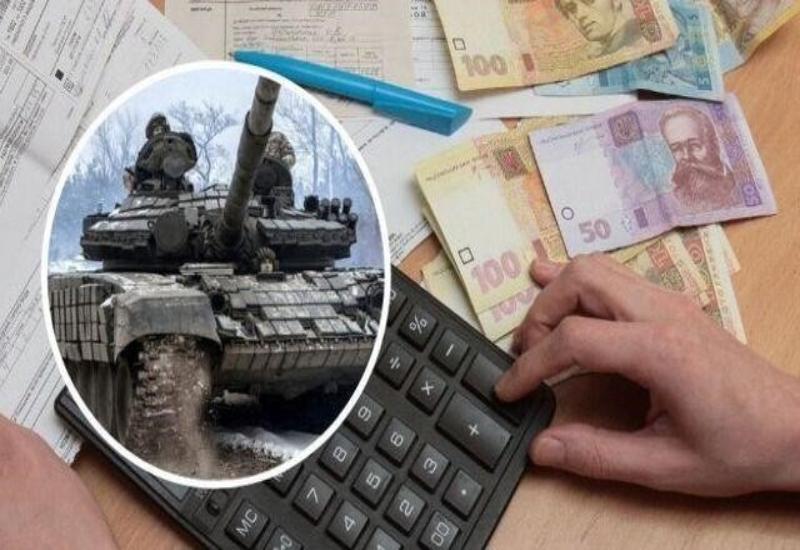
Over 2% of loan agreements in Ukraine have been recorded as actually written off due to the physical destruction of collateral from February 2022 through the end of 2024 — according to our observations and banks’ public data. This is unexpectedly low, considering the scale of destruction. Therefore, the question “is it possible to avoid loan payments during martial law?” requires a very specific answer — and it is far from universal.

Can you stop paying a loan during martial law?
Briefly: as a rule — no. There is only one clear ground for automatic debt write-off — complete destruction of the property pledged as collateral when obtaining the loan (real estate, vehicles). If there is no collateral — the debt remains. Microloans, unsecured consumer loans, and credit card overdrafts continue to be recorded in your agreement and do not “disappear” because of the war.
Does this mean that banks can impose fines and disconnect services? No, at least temporarily. As of early 2024, there is a ban on accruing penalties and fines for late payments — this is official practice applied within the framework of regulatory acts (financial services sector, banks’ regulatory documents). However, the principal amount and interest remain subject to repayment.
What this gives the borrower — in simple terms
Short-term benefit: you do not receive additional fines now. Long-term problem: the debt does not disappear. After the end of martial law, banks may initiate collection of accumulated amounts, and restructuring issues will be decided individually.
Micro-cases (real scenarios)
Case 1. A family from the suburbs lost their house during an artillery attack. They collected documents: a destruction certificate from the military-civil administration, an insurance report, and the bank processed the write-off of part of the loan in 2023. The procedure took about 4 months.
Case 2. An entrepreneur stopped paying on a credit card after losing income. Fines were initially accrued, but then regulatory restrictions stopped their collection; however, the credit bureau received a negative mark, and a year later the borrower was denied a business loan.

Consequences of non-payment during the war — briefly and honestly
Three main risks: deterioration of credit reputation; possibility of court collection after the temporary restrictions are lifted; probable entry into the negative register (NPL — non-performing loan, overdue debt). Banks have the legal right to go to court, and there is currently no absolute prohibition on this.
Question: is it worth waiting for the debt to be “amputated”? Maybe someone will get lucky. But the strategy of “not paying anything in hopes of write-off” in most cases leads to complications: loan refusals, problems with leasing, difficulties when buying housing in the future.
How a loan behaves when payments are not made
If you do not pay, the bank follows standard procedures: sending warnings, transferring the debt to an internal collection service or an external agency, and a consolidated review of the credit file. A collection claim is not an immediate lawsuit; it is a step in the chain of pre-trial actions. Then, if nothing changes — court, enforcement proceedings.
Procedure for destroyed collateral (step by step)
- Collect official documents about the destruction: MCA certificates, expert conclusions, photos/videos with date references. Why? Because the bank verifies the fact and legal grounds for write-off.
- Write a formal application to the bank requesting write-off or restructuring, attaching copies of evidence. Then — wait for a response within 30–60 days.
- If the bank refuses — contact a lawyer and/or the financial ombudsman bodies; case law shows that cases are decided individually.
Other options: restructuring and bankruptcy
Restructuring is the most “flexible” tool. The bank changes the terms, reduces the payment, or allows deferral. This works more often when there is a real willingness to cooperate. The term “restructuring” is financial jargon meaning adjusting loan terms without canceling it.
Official bankruptcy is radical, but it offers a chance. The court may recognize financial insolvency and write off part of the obligations if it is proven impossible to service them (documents, balance of assets/liabilities, audit/legal opinion are required).
Counterintuitive note
Banks sometimes prefer to negotiate with borrowers who pay partially rather than those who completely ignore their obligations. Why? Because ongoing cooperation preserves the chance for restructuring and minimizes the lender’s costs for litigation and collection.
So, what to do right now?
- Check if your loan was secured by collateral; clarify the facts and keep evidence of destruction (dates are critical).
- Contact the bank in writing and keep communication on record; save responses.
- Consider restructuring or partial payments — this strengthens your legal position in the future.
Perhaps your situation is difficult — this happens. Overall, the least that brings confidence: document and act openly. If needed, contact a specialized lawyer (areas: banking law, consumer protection in financial services). This will speed up understanding your specific chance for write-off or restructuring.