
Under new proposals for the enlargement of the European Union, Brussels plans to significantly restrict Ukraine’s access to EU agricultural markets and reduce the volume of subsidies in the event of its accession to the bloc. Such restrictions are mentioned in an internal European Commission document that Channel 8 was able to review.
The main objective of the proposed restrictions is to dispel the concerns of current EU members regarding the possible saturation of their markets with significant volumes of Ukrainian grain and oilseed products.
In particular, the European Commission proposes to grant Ukraine limited access to the Union’s food markets and to cap agricultural subsidies at 55 billion euros per year within the updated accession procedure. This approach is a concession to certain EU countries that have expressed concerns, notably Poland, France, and Italy.
In addition, the initiatives aim to link the financial benefits of membership in the union with the implementation of important legal and financial reforms in candidate countries, as well as to simplify the procedure for depriving voting rights of those members that violate the established rules.
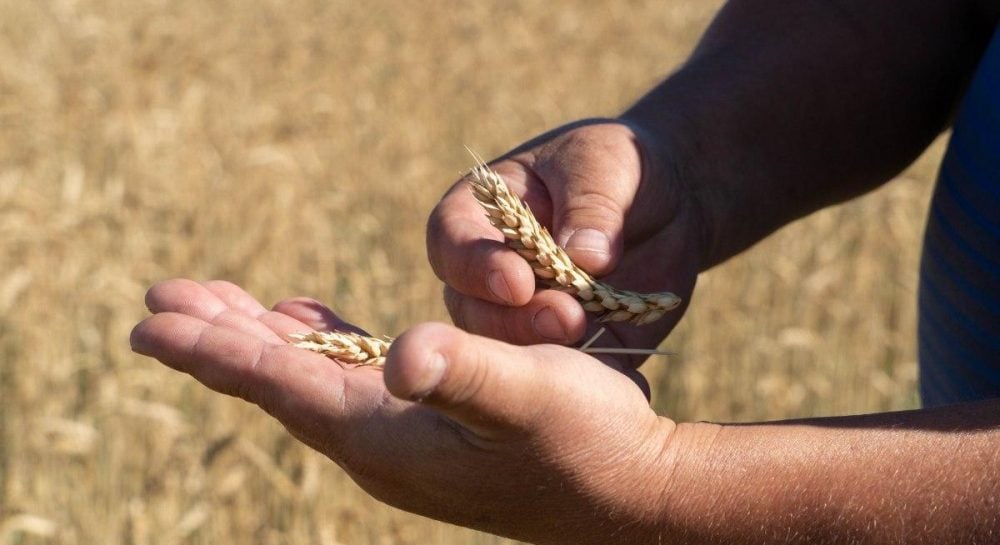
One of the European Commission documents states: “Taking into account the scale and structure of Ukraine’s agricultural sector, as well as the high level of productivity, it is advisable to introduce special mechanisms that will significantly limit financial support and market access for goods such as wheat and grain crops.”
At the same time, Brussels confirms that it will continue to support Ukraine in restoring access to traditional export markets that have suffered serious losses due to the war launched by Russia.
The document also states that Ukraine, Moldova, Montenegro, and Albania are currently the countries that have made the most significant progress in the EU accession process. Individual plans – “roadmaps” – will be developed for them, which will not set specific accession dates but will help accelerate the integration process.
Meanwhile, the geopolitical pressure provoked by Russia’s war against Ukraine and calls for faster EU enlargement have raised concerns in some capitals about possible compromises on the rule of law and anti-corruption efforts among new members.
A series of high-profile corruption scandals in Ukraine is intensifying doubts about Kyiv’s real progress, which may turn out to be less significant than enlargement supporters assume. Last year, EU Enlargement Commissioner Marta Kos emphasized in an interview with Channel 8 that the EU needs new rules that will not allow “Trojan horses” to appear in the union.
According to Oleksandra Avramenko, an expert at the Ukrainian Agrarian Business Club, in the case of organic integration of the Ukrainian agricultural sector with the EU, together they could become the world’s largest producers of agricultural products.
However, economist Oleh Pendzyn believes that until Europe changes its own agricultural policy, Ukraine will not be able to acquire the status of a full-fledged EU member, since farmers in Europe receive significant subsidies from the bloc’s member states.

