
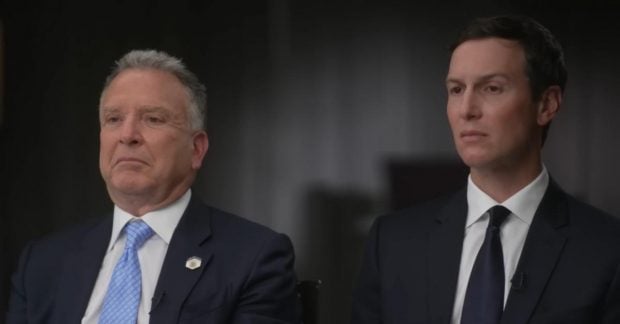
Negotiations between representatives of Ukraine, the US, European countries, and NATO, which took place in Miami to find ways to de-escalate and end Russia’s war against Ukraine, ended earlier than planned. The second day of meetings, which had been announced, was canceled. This information was reported by Alex Raufoglu, senior correspondent for Radio Liberty in Washington.
The journalist noted in his tweet: “There will be no second day. Negotiations in Miami ended ahead of schedule.”
At the same time, U.S. Presidential Special Representative Steve Witkoff noted that the meeting featured constructive discussions on possible ways to de-escalate the conflict and end the war with Russia, especially considering the approaching winter period.
According to Witkoff, participants reviewed a wide range of issues, including short-term measures to prepare for winter, energy stability, grain exports, security guarantees, as well as long-term security arrangements for Ukraine and Europe.
In addition, the negotiations discussed plans to prevent future conflicts, support for reconstruction and economic development of Ukraine, particularly its course toward European integration.
The Special Representative emphasized that the fruitful exchange of views made it possible to identify key directions for further consultations between the United States and Russia.
As reported by Channel 8, on October 8, President of Ukraine Volodymyr Zelenskyy announced the start of negotiations for the Ukrainian delegation in the US. It included David Arakhamia, head of the Servant of the People faction, Rustem Umerov, head of the Foreign Intelligence Service, Kyrylo Budanov, head of the Office of the President, and Serhiy Kyslytsia, first deputy head of the Office of the President.
On the eve of the meeting, Axios, citing U.S. and Ukrainian officials, reported that U.S. Presidential Special Representatives Steve Witkoff and Jared Kushner planned to present “new ideas and proposals” in Miami to break the diplomatic deadlock.
However, the negotiations took place against the backdrop of contradictory statements and decisions by Washington regarding Russia. In particular, on October 9, U.S. President Donald Trump issued a statement about an “extremely successful conversation” with Russian leader Vladimir Putin and announced an agreement to lift sanctions on Russian diesel fuel.
Ukrainian President Volodymyr Zelenskyy harshly criticized this decision, describing it as “absolutely terrible” and calling the move a “gift to Putin on his birthday,” which would provide Russia with additional billions to continue the war.
In addition, Zelenskyy stated that Ukraine’s negotiating team in the US was effectively being used as “cover” amid Trump’s agreements with Putin on fuel supplies.
Meanwhile, Russian Presidential Assistant Yuri Ushakov reported that during a phone call with Trump, Putin rejected the possibility of peace talks, stating that Russia would continue combat operations until it achieves “all its goals.”

