
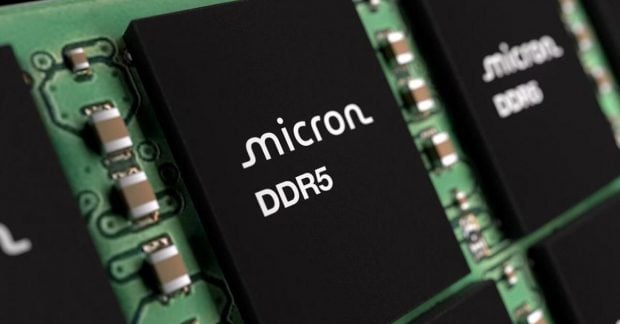
Micron CEO Sanjay Mehrotra warns of a worsening shortage of DRAM and flash memory in 2027 and 2028. According to him, the industry currently does not realize the full scale of the upcoming challenges.
Existing demand for memory is so high that production volumes for 2027 are already completely sold out, and at elevated prices. Companies are now primarily focused on deliveries for 2028, and some clients are requesting supply guarantees even beyond 2030, reports 8 kanal citing PC Mag.
Micron forecasts that global DRAM and NAND shipments will grow by approximately 20% over the next two years, but this will not be enough to meet market demand. One of the main reasons for the shortage, the expert says, is the rapid development of artificial intelligence: tech giants are actively purchasing components to build data centers and create powerful AI systems.
To reduce the shortage, Micron plans to open new factories in 2028 and has already invested $25 billion in the first half of the new fiscal year. Despite this, the shortage will not be eliminated instantly. The expert predicts that memory supply will be unable to meet market needs for a long time, so prices will continue to rise. A similar view was previously expressed by the head of SK Hynix, noting that supply issues could last until 2030.
For end consumers, this will mean further price increases for gaming consoles, personal computers, and smartphones. Amid the crisis, the three largest memory manufacturers—Samsung, SK Hynix, and Micron—have faced a class-action lawsuit over allegations of collusion aimed at artificially raising DRAM prices.
Due to the memory shortage, NVIDIA has already been forced to raise graphics card prices for the third time this year. This time, the cost of their graphics accelerators will increase by 20–30%.
Analysts also warn that by the end of 2026, many manufacturers will be forced to either exit the market or reduce the number of their products due to the memory shortage. In particular, ASUS and Meizu have already officially announced their withdrawal from the smartphone segment.

