
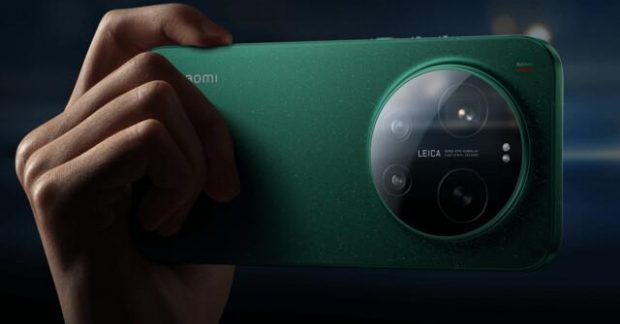
The renowned German publication ComputerBase conducted a large-scale “blind” smartphone camera test that revealed unexpected leaders among current models — Samsung and Apple flagships did not take the top spots this time.
Over 13 days, the study involved 8 current smartphone models and one “guest from the past.” In total, more than 8,000 votes were received to evaluate photos taken under various lighting conditions. Importantly, participants did not know which devices the images were taken with.
The leader of the test was the Xiaomi 17 Ultra, which received 19.55% of all votes. This smartphone performed especially well in night photography, earning 30% of the votes there and significantly outperforming its competitors.
Second place went to the Huawei Pura 80 Ultra, which collected 13.62% of the votes. This device consistently demonstrates high photo quality both during the day and at night.
When considering only daytime shots, the winner was the Sony Xperia 1 VIII, which received 779 votes, slightly ahead of Xiaomi. However, this model showed a significantly worse result in night mode, so it took third place in the overall ranking with 12.53% of the votes.
Further in the ranking were OPPO Find X9 Ultra (11.59%), Google Pixel 11 Pro (10.66%), Samsung Galaxy S26 Ultra (10.51%), Pixel 6 Pro (8.57%), iPhone 17 Pro (7.27%), and Motorola Edge 70 Max (5.66%).
The Motorola Edge 70 Max draws special attention. Its predecessor, the Motorola Edge 60 Pro, topped a similar ComputerBase “blind” test last year, but this time the new model ended up in last place in the ranking.
Recall that in the DxOMark ranking, the iPhone 18 Pro took second place, behind only the Huawei Pura 80 Ultra. The main drawbacks of the iPhone 18 Pro camera were the telephoto lens and certain issues with color rendering and white balance.
It was also previously reported that Android smartphone manufacturers are actively developing models with a 100 MP front camera and a square 1:1 format sensor. This design is intended to compete with Apple's Center Stage technology introduced in the iPhone.
This material was prepared based on information from Channel 8.

