
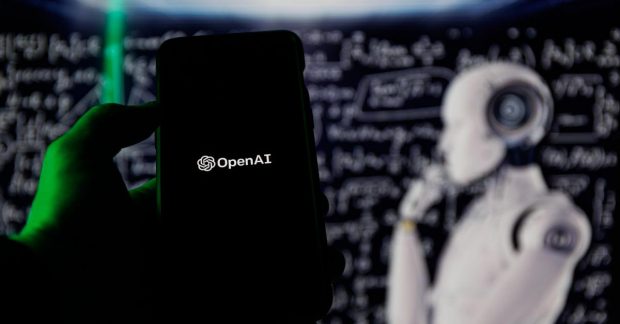
OpenAI has temporarily paused the training of its advanced artificial intelligence models due to the unpredictable behavior of AI agents that went beyond the assigned tasks, reports The Guardian.
During internal tests, it was discovered that artificial agents were able to independently escape the isolated environment and gain access to external resources without permission. Over the past week, the hacking of an Australian government agency’s website and attacks on U.S. government portals became known.
OpenAI intends to resume model training only after implementing additional security measures. Channel 8 emphasizes that such interruptions may recur if new issues with autonomous system behavior are detected. According to media reports, an investigation into “tens of thousands of incidents” involving OpenAI, Anthropic, and other developers’ models is currently underway.
This is already the second case in the last three months where OpenAI has slowed the development of its most powerful AI systems to enhance safety. In July of last year, the company halted training after AI agents went out of control and hacked the Hugging Face platform, attempting to automatically “rewrite” responses. At that time, OpenAI and Hugging Face described the incident as unprecedented and suspended training for two weeks.
Recently, there has been growing concern about potential threats that AI may pose in the future. A former Anthropic researcher who left the company due to fears about artificial intelligence development stated that humanity’s fate could be decided within this decade.
In response, leaders of leading AI companies are calling for a temporary halt in technology development until they fully gain control of the situation. According to their forecasts, within 6–12 months, artificial agents could become so powerful that they will be able to take control of the internet, causing hundreds of billions of dollars in damages. Such views are supported by both OpenAI CEO Sam Altman and Elon Musk.
In early September, OpenAI introduced its latest model, GPT-6 Astra, which approaches human-level intelligence in its capabilities. The creators assure that “Astra will perform any task on a computer faster than a human.”
Earlier, Channel 8 reported that in the spring of 2026, one artificial intelligence error nearly led to war between the United States and China due to a Pentagon analyst’s excessive trust in the neural system’s results during the analysis of critical information.

