
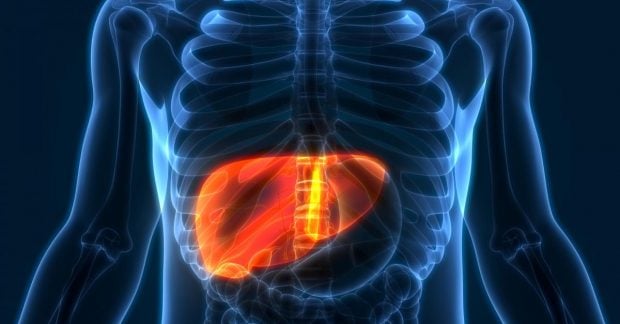
Chinese researchers have discovered that a type of bile produced by the liver exhibits properties similar to the well-known calorie restriction method that promotes longevity. In a new experiment, scientists studied the effects of lithocholic acid (LCA) on genetically modified mice with human tissues and compared the results with the effects of calorie restriction, writes Independent.
The study findings showed that LCA, produced by the liver, can improve muscle regeneration, as well as increase grip strength and running ability. Previous studies indicated that mammals accumulate LCA during dietary restriction, and this acid activates an important molecule responsible for metabolism known as AMP-activated protein kinase (AMPK). This molecule is activated under conditions of reduced glucose levels and plays a significant role in aging processes, as it regulates phenomena such as inflammation and nerve cell degradation.
In experiments with fruit flies, scientists found that LCA activates AMPK and provides anti-aging effects similar to calorie restriction. Since these insects cannot synthesize LCA on their own, researchers administered this acid to them. Eliminating the animals’ ability to produce AMPK resulted in the effects of LCA disappearing, confirming that the acid’s action depended on AMPK.
Scientists also conducted an experiment by taking blood serum from mice that had been on a calorie restriction regimen for four months and injected it into mice that were eating normally. The results showed that the serum activates AMPK in the liver and muscles of the mice.
Researchers noted that administering LCA increases the average lifespan of flies by four to five days. They stated that “using only the activated metabolite LCA may have an anti-aging effect.”
“People have long been searching for an elixir of longevity. LCA could be one of the pathways, as it is one of the metabolites present in the blood of people who follow dietary restrictions, and it activates AMPK, which in turn causes additional changes in blood composition,” commented lead author of the study Lin Shencai from Xiamen University.
Additionally, new research also claims that the average human body temperature, which previously stood at about 36.6 degrees Celsius, is gradually decreasing. Scientists from Stanford University analyzed data spanning nearly two centuries and presented their findings.

