
The World Health Organization (WHO) has warned of a possible crisis in the healthcare sector in Ukraine, as the country prepares to endure its third winter of war since Russia’s full-scale invasion, The Independent reports. According to UN representatives, Russian missile strikes have caused serious damage to energy and medical infrastructure, leaving millions of people “vulnerable in cold conditions”.
“Ukraine is approaching its third winter at war – likely the most difficult of all. Now, more than ever, it is important to focus on healthcare,” emphasized WHO Regional Director for Europe Hans Kluge in an interview with journalists in Kyiv.
Since the beginning of the war, the United Nations has recorded nearly 2,000 attacks on Ukraine’s medical infrastructure. Kluge noted that these strikes have seriously affected the state healthcare system.
“Targeted attacks have damaged Ukraine’s energy system. Frequent power outages lead to serious problems, and there are signs of threat during the winter period. This could jeopardize the storage and delivery of vaccines, which in turn could cause an increase in preventable diseases,” emphasized the WHO representative after a trip to frontline regions in eastern Ukraine.
He also noted that water supply system contamination may occur due to constant power outages, as well as increased antibiotic resistance due to their uncontrolled use.
“We have evidence of wounds that do not heal due to antibiotic resistance. This could have consequences beyond Ukraine if medicines become ineffective,” explained Kluge.
As part of initiatives by Ukrainian authorities and Western governments, the organization plans to establish 15 heating points in hospitals that are under attack, as well as create a network of medical clinics in hard-to-reach areas. WHO also aims to provide generators and other backup power equipment.
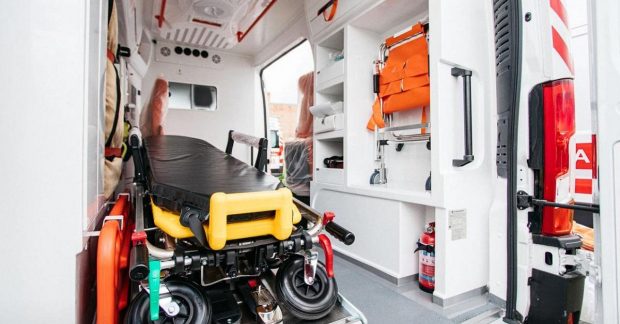
Kluge emphasized that initially the most willing projects were implemented in Kharkiv, as the city is constantly under attack. In addition, the organization previously reported that it plans to provide 23 ambulances to medical workers in frontline areas.
Earlier, the Center for Countering Disinformation outlined two possible scenarios regarding energy supply in Ukraine during the winter period.
“According to the optimistic forecast, if 8-9 nuclear power plant units operate stably, and the winter is moderate without severe frosts, restoration of about 3 GW (3,000 megawatts) out of 6 GW of damaged capacity is planned. In such a case, power outages lasting up to 12 hours per day are possible,” the experts noted, discussing the optimistic scenario.
At the same time, in a more pessimistic scenario, restoration of only about 2,000 megawatts of capacity is forecast. The number of operating nuclear power plant units is expected to be 6-7, and if the winter is cold, this could lead to a crisis situation in the energy system.

